Fire Lookout Jobs in United States 2026: Hiring Now

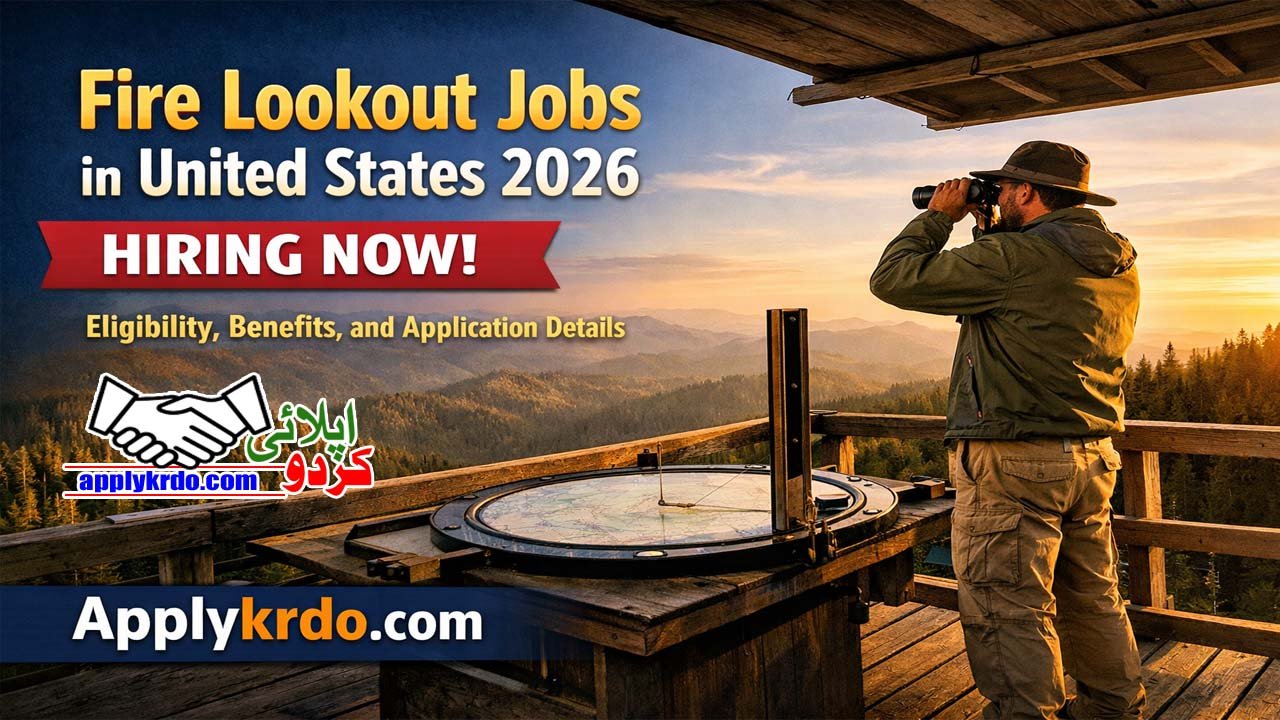
The dream of escaping the 9-to-5 grind for a mountain peak isn’t just a fantasy it’s a career. Fire lookout jobs offer a rare blend of adventure, solitude, and profound purpose, making them one of the most coveted yet unique career paths in the United States. Stationed in remote towers atop jagged mountains or deep within lush forests, fire lookouts are the literal “eyes in the sky,” playing a critical role in wildfire prevention by spotting early signs of smoke and coordinating with elite fire management teams.
If you have ever dreamed of escaping the noise of the city and getting paid to watch the sunset over a pristine forest, a Fire Lookout job might be your perfect match. These roles are essential, they offer competitive pay, and federal agencies are actively hiring for the upcoming 2026 season. Whether you are seeking Montana fire lookout jobs or opportunities in the rugged terrain of Idaho, this comprehensive guide covers everything from the Osborne Fire Finder to the application secrets of USA JOBS.gov.
| Feature | Details |
| Job Role | Fire Lookout (Forestry Aid/Technician) |
| Primary Duty | Smoke detection, fire reporting, and weather data recording |
| Location | Remote Towers (MT, OR, CA, WA, ID, etc.) |
| Employment Type | Seasonal (Typically May – October) |
| Hiring Agencies | US Forest Service (USFS), BLM, NPS, and State Agencies |
| Average Salary | $23.26/hour (Approx. $48,371 – $72,358 annually) |
| Application Portal | USAJOBS.gov & ApplyKrdo.com |
Vacancies & Top Hiring Locations
- Most fire lookout jobs are located in the Western United States, where wildfire risks are highest. These are not “work from home” roles they are physically remote “work from the wilderness” positions.
- Idaho & Wyoming: Ideal for those seeking the most isolated and rugged tower experiences, including the Payette National Forest.
- Montana Fire Lookout Jobs: The “Big Sky” state is a hotspot. Look for vacancies in the Flathead, Lolo, and Kootenai National Forests.
- Oregon & Washington: High demand exists within the Pacific Northwest’s dense evergreen forests.
- California: Offers the longest seasons due to dry weather, with some of the highest pay scales in the country.
Eligibility & Requirement
To qualify as a Forestry Technician (Lookout), you need more than just a love for heights. Federal and state agencies look for a specific blend of stamina and technical aptitude.
Education and Experience
- General Requirement: A high school diploma or equivalent is the baseline.
- Preferred Background: Candidates with a background in forestry, natural resource management, or wildland fire science often receive priority.
- Experience: Previous experience in firefighting, construction, or heavy outdoor work is highly valued. Even volunteer experience with conservation groups can give you an edge.
Physical & Mental Traits
- Stamina: You must be capable of hiking to remote towers, often carrying heavy supplies, and performing manual maintenance on the facility.
- Isolation Resilience: Can you go two weeks without seeing another human face? Lookouts must thrive in solitude and maintain high levels of vigilance for 8–10 hours a day.
- Technical Skills: Proficiency in map reading, radio communication, and the use of the Osborne Fire Finder is essential (though often taught during orientation).
Also Check: Medical Equipment Repair Jobs 2026 USA – Handsome Salary
Salary & PPS/BPS Scale Guide
Working for the federal government means your pay is generally determined by the General Schedule (GS) scale. Most entry-level lookout positions start at the GS-3 or GS-4 level, while experienced lookouts can reach GS-5 or higher.
- Average Hourly Wage: Approximately $23.26.
- Annual Potential: Seasonal work typically nets around $48,371, but in high-demand areas like Soledad or Berkeley, CA, salaries can soar up to $72,358.
- Benefits: While seasonal, many positions offer health insurance options and the incredible “benefit” of free (though rustic) housing in the tower itself.
Syllabus & Test Pattern: Preparation Guide
If the hiring agency requires a competency test or interview, focus your preparation on these three pillars:
- Technical Knowledge (70%): * Understanding fire behavior (the fire triangle).
- Identifying different types of smoke (water vapor vs. active fire).
- Using azimuths and coordinates for location spotting.
- General Aptitude (20%): * Basic mathematics for weather data recording.
- Clear verbal communication for radio relays.
- Department Specific (10%): * Local forest geography and specific agency protocols (USFS vs. BLM).
Required Documents Checklist
Applying for federal jobs requires precision. Missing one document can result in an automatic “Not Qualified” status.
During the Application Phase:
- Federal-Style Resume: Unlike a corporate CV, this must be multi-page and highly detailed. Use the Free AI CV Maker to ensure yours meets the standard.
- Unofficial Transcripts: To prove your education level.
- Certifications: Copies of CPR, First Aid, or any previous firefighting “Red Card” certifications.
At the Time of Interview:
- Valid Driver’s License: Many towers require driving government vehicles.
- Professional References: At least three people who can vouch for your reliability in remote settings.
How to Find and Apply for Fire Lookout Jobs
Create a USAJOBS Profile: This is the “gatekeeper” for all federal fire lookout jobs.
Search Keywords: Use terms like “Forestry Technician,” “Fire Lookout,” or “Fire Watch” to find active listings.
Upload Your Detailed Resume: Ensure it highlights outdoor experience and technical skills.
Complete the Assessment: Most listings include a self-assessment questionnaire. Be honest but confident in your skills.
Monitor ApplyKrdo: Visit Apply Krdo for updated private and state-level links that may not appear on federal boards.
Critical Instructions for Applicants:
Attention: Federal hiring for the summer season often peaks between January and March. If you wait until May to apply, you have already missed the window. Set up job alerts now to catch the “open” period, which sometimes only lasts 7 days.
Preparation Strategy & Pro-Tips
Succeeding as a fire lookout requires more than just getting the job; it requires surviving and thriving in the role.
The Federal Resume Secret: The most common mistake is using a “private sector” resume. Federal HR bots and hiring managers want to see every task you performed in previous roles. If you spent time hiking, mention the miles and terrain. If you used a radio, mention the brand and protocol.
Avoid the “Solitude Trap”: Many applicants think they want solitude until they are 50 miles from the nearest grocery store. To stand out in the interview, demonstrate that you have a “stationary hobby” writing, painting, or studying that will keep your mind sharp during low-fire periods.
Practice Your Navigation: Don’t wait for the job to learn how to read a topographic map. Familiarize yourself with Lat/Long coordinates and declination early. Showing you already understand the basics of the Osborne Fire Finder makes you an easy hire.
Frequently Asked Questions (FAQs)
Do I need previous firefighting experience to be a lookout?
While helpful, it is not strictly required for entry-level (GS-3) positions. A strong background in the outdoors and a willingness to learn technical tools are often enough.
Can I bring my dog or cat to the lookout tower?
This depends entirely on the specific National Forest and the District Ranger. Many lookouts do have “tower dogs,” but you must get official permission first.
Is there internet or cell service in the towers?
Generally, no. Most towers rely on high-frequency radios for communication. Some lookouts bring satellite devices (like Starlink), but you should prepare for a “digital detox.”
How long does the fire lookout season last?
Typically from late May through early October, though this can be extended or shortened based on the severity of the fire season and snowfall.
What is the most important tool for a fire lookout?
The Osborne Fire Finder. It is a circular topographic map with a sighting device used to calculate the exact degree (azimuth) and distance of smoke.